June 11, 2026
This article explores the frequent causes of water line repairs and provides reliable strategies to help prevent these issues. Understanding these causes is crucial for homeowners and property managers to maintain the integrity of their plumbing systems and prevent costly repairs. From aging pipes and tree root intrusion to shifting soil and corrosion, many factors can contribute to underground plumbing damage. Taking a proactive approach can help identify minor concerns early before they turn into major plumbing emergencies that disrupt daily life and lead to expensive property damage.
Pipe Corrosion
Understanding Metal Corrosion
Pipe corrosion is an inevitable issue affecting both residential and commercial plumbing systems, particularly those utilizing metal pipes like steel and copper. Over time, metal pipes react with minerals in the surrounding soil and water, leading to oxidation—a primary corrosion mechanism. Such reactions weaken the metal structure, resulting in leaks and fractures. Additionally, the presence of chlorides and other chemicals in water can accelerate corrosion, reducing the pipe's lifespan. Therefore, understanding the chemistry of water and soil interactions with plumbing materials is essential for anticipating corrosion-related issues. Corrosion is one of the leading reasons homeowners require water line repairs.
Identifying Signs of Corrosion in Water Pipes
Detecting early signs of corrosion can help mitigate more severe problems down the line. Common indicators of pipe corrosion include discolored water, reduced water pressure, and frequent leaks. Moreover, the appearance of green or blue stains around plumbing fixtures suggests copper pipe corrosion, while reddish-brown stains are typical of iron pipes. In severe cases, visible pits or scales on the pipe surface may appear, indicating advanced corrosion stages. Recognizing these warning signs early can help reduce the need for extensive water line repairs.
Preventing Pipe Corrosion
Preventative measures against pipe corrosion begin with proper material selection during installation. Applying protective coatings that shield metal surfaces from corrosive elements forms a reliable barrier. Additionally, water treatment techniques, such as chemical inhibitors, maintain favorable pH levels to prevent accelerated corrosion. Regular inspection and maintenance also play essential roles in preventing early degradation by addressing minor problems before they escalate. Investing in such proactive steps reduces long-term repair costs and extends the service life of plumbing systems.
Freezing Temperatures
Understanding the Effects of Cold Weather on Water Lines
Cold weather can have a detrimental effect on water lines, particularly in regions experiencing harsh winter conditions. As temperatures drop, water within pipes may freeze, leading to expansion that puts significant pressure on the pipe walls. This expansion can cause pipes to crack or even burst, leading to substantial water damage and costly repairs. The process of freezing and expansion can occur overnight, making it a frequent cause of emergency plumbing calls. According to HomeGuide, repairing a damaged water line typically takes 4 to 8 hours, emphasizing the need for preventative measures that can help avoid emergency water line repairs.
Identifying Vulnerable Pipes
Certain areas within a home are more prone to pipe freezing due to their exposure to cold drafts and insufficient insulation. Pipes located in unheated spaces such as basements, attics, and garages are particularly vulnerable. Additionally, pipes along exterior walls can be affected by cold temperatures, especially those with inadequate insulation. Identifying these at-risk areas allows homeowners to take proactive steps in protecting the integrity of their plumbing systems. Implementing simple solutions can minimize the risk of pipe issues during freezing weather.
Tree Root Intrusions
Understanding Tree Root Intrusion
Tree roots naturally seek out sources of moisture, and water lines often provide an ample supply. As roots grow, they can penetrate small cracks or joints in pipes, expanding over time to cause significant blockages or leaks. The process begins with roots detecting moisture from tiny leaks or condensation around the pipe. Over time, the root system exerts pressure on the pipe, eventually compromising its structural integrity. Unchecked root growth is a common cause of costly water line repairs.
Identifying Symptoms of Root Intrusion
Root intrusion can lead to various telltale signs in plumbing systems. Common symptoms include frequent drain clogs, slow drainage, and gurgling sounds from fixtures. In severe cases, sewage backups may occur, posing both a health risk and a costly repair burden. Additionally, bright green patches of grass or sagging ground above water lines can indicate roots present near pipes. Detecting these symptoms early allows homeowners to take corrective action before extensive pipe damage occurs.
High Water Pressure
Understanding Water Pressure Mechanics
Water pressure in plumbing systems is a significant factor influencing both functionality and longevity. It is driven by the force at which water is supplied through the main lines into household pipes. Proper water pressure ensures efficient water delivery to all fixtures within a property. However, exceeding recommended pressure levels subjects pipes and fittings to additional stress, ultimately causing wear. Understanding these pressure dynamics lays the foundation for effective mitigation strategies to prevent associated issues.
Recognizing the Risks of High Water Pressure
High water pressure poses several risks to plumbing systems, accelerating wear and tear on fixtures and increasing repair probabilities. Excessive pressure often leads to leaks, pipe bursts, and the premature failure of appliances like dishwashers and washing machines. Furthermore, constant high pressure can cause excessive noise and vibration, further turbocharging component fatigue. Fortunately, recognizing these risks early provides an opportunity to implement corrective measures. Maintaining proper pressure levels can help prevent premature wear and reduce the likelihood of water line repairs.
Ground Movement and Shifting
Understanding the Impact of Soil Movement on Water Lines
Ground movement presents major challenges for water line integrity, particularly in regions prone to earthquakes and soil settlements. These movements exert pressure and stress on water pipes, leading to misalignments, fractures, and disconnections at joints. Ground movement can also compromise pipe joints and cause misalignments, exacerbating leak risks. Consequently, such issues often necessitate timely water line repairs, as significant leaks can seriously damage surrounding areas. Implementing strategies to accommodate ground movement is crucial in maintaining reliable plumbing infrastructures.
Implementing Engineering Solutions for Ground Shifts
Engineered solutions play a vital role in accommodating and withstanding ground movements that threaten water lines. Flexible joints, for instance, enable pipes to absorb ground shifts without breaking, reducing line stress. Other strategies include trenchless technology, which minimizes soil disruption and associated movement risks during pipe installations. Collaborating with experienced engineers guarantees the application of innovative solutions for ground-induced challenges. These engineered strategies foster the resilience of water line infrastructure amidst changing environmental conditions.
Poor Installation Practices
Identifying Common Installation Errors
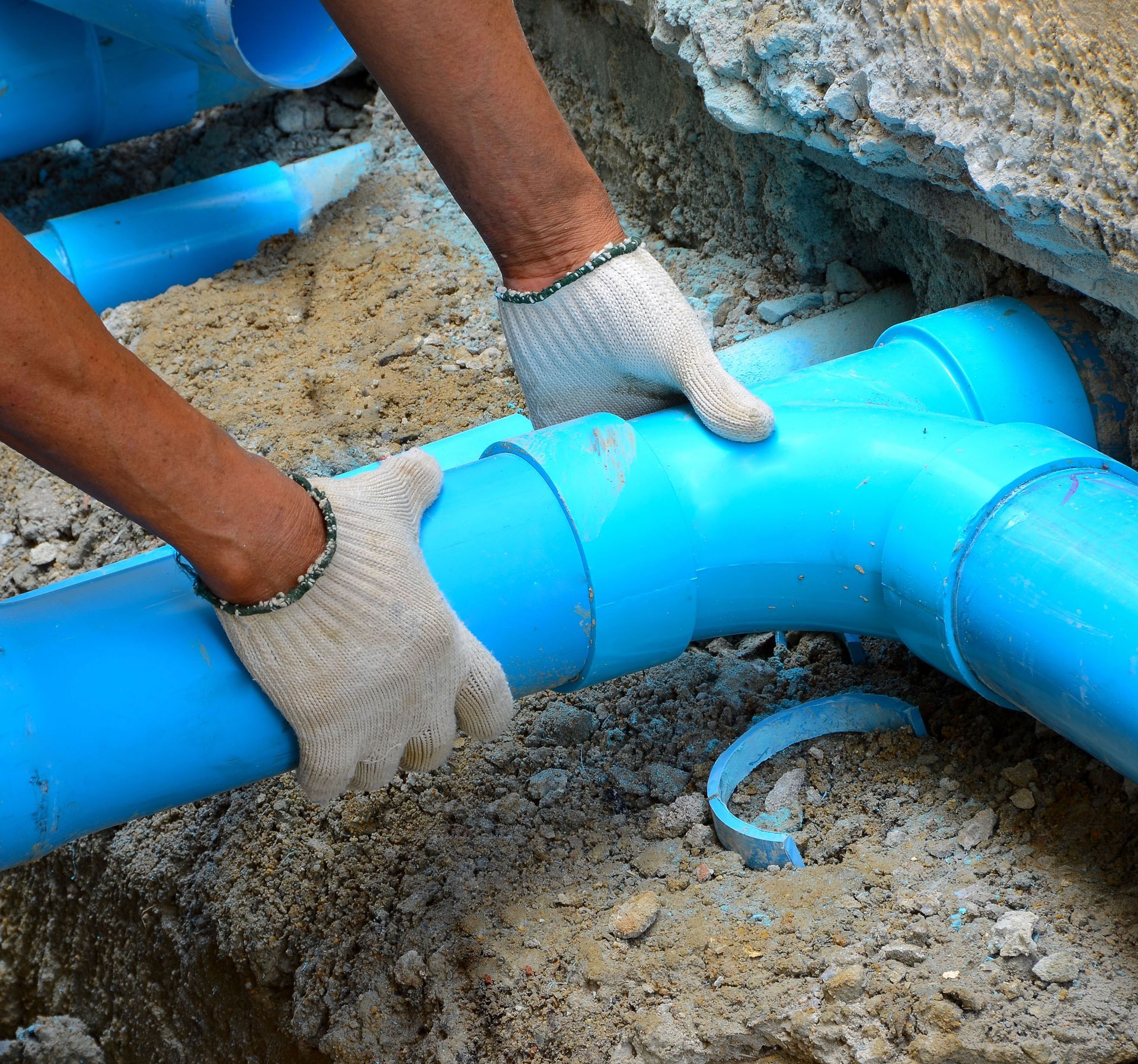
Installation errors are often responsible for plumbing issues that arise shortly after water lines are operational. Common mistakes include inadequate sealing at pipe joints, improper leveling, and insufficient support or bracketing. Additionally, using substandard materials or failing to account for environmental conditions compromises line integrity. Such errors can lead to ongoing leaks, reduced water pressure, and premature pipe failure, significantly increasing repair demands. Avoiding these mistakes can significantly reduce the need for future water line repairs.
Ensuring Quality Assurance in Installations
Implementing robust quality assurance procedures ensures installations adhere to technical and regulatory standards. Third-party inspection services evaluate completed work, identifying any deviations from industry practices and offering corrective recommendations. Additionally, installing companies can employ internal quality control teams to oversee project phases, ensuring guidelines are maintained. Continuous learning and adaptation based on field feedback further enhance installation quality outcomes. By prioritizing quality assurance, property owners and managers can safeguard against costly installation errors.
By understanding the root causes of water line issues and implementing preventative measures, homeowners and property managers can significantly reduce the risk of costly repairs. Regular monitoring, quality installations, and appropriate maintenance are key to ensuring the longevity and reliability of water lines. When professional assistance is needed, Helmling Excavating provides the expertise and dependable service necessary to help keep water line systems functioning efficiently and prevent costly disruptions.