August 14, 2026
In urban and suburban settings, a properly functioning sewer system is a foundational element of the infrastructure. When sewer lines fail, they can cause a myriad of problems, from minor inconveniences to severe health hazards. This article digs into the critical differences between repairing and replacing sewer lines, helping homeowners and municipalities make informed decisions.
Understanding Sewer Line Problems
Common Causes of Sewer Line Issues
Sewer line issues can originate from various causes, with root intrusion being a predominant problem. Trees and shrubs seek water and nutrients, often infiltrating small cracks in pipes, eventually causing blockages or breakages. Additionally, sewer lines can suffer damage from external pressures like ground movement and construction activities. Aging infrastructure, particularly in older cities, tends to face problems from deteriorating materials. Clogged drains or sewer line issues account for around 60% of plumbing-related emergency calls, according to Gitnux, a statistic that underscores the prevalence and impact of these issues.
Signs and Symptoms of Sewer Line Failure
Typically, there are several red flags that indicate an issue with your sewer line. Slow-draining sinks, showers, and tubs may suggest a blockage. An unusual increase in water bills can indicate undetected leaks in the system. Moreover, odd sounds emanating from pipes, coupled with unpleasant odors, often hint at underlying sewer line failures. In extreme cases, you may notice soggy, lush spots in your yard where leaks have infiltrated the soil.
Environmental Factors Affecting Sewer Lines
Environmental conditions significantly impact sewer line integrity. Seasonal variations in temperature can cause pipes to expand and contract, stressing the joints and materials. Heavy rainfall can lead to soil saturation and an increase in ground pressure on pipes, promoting shifts and potential breaks. Areas with high water tables or expansive soils pose additional challenges to maintaining sewer health. It's important for local municipalities to understand the environmental factors unique to their regions to adopt effective sewer line management strategies.
Diagnostic Methods for Sewer Line Issues
The advent of technology has introduced several sophisticated methods for diagnosing sewer line problems. Video camera inspections are one popular method that provides real-time visuals of the interior of pipes. Acoustic sensors can be used to detect leaks, offering a non-intrusive diagnostic approach. Meanwhile, smoke testing is often employed to reveal latent leaks or faulty connections within sewer systems. These methods together form a comprehensive toolkit for accurately diagnosing sewer line conditions.
Potential Risks of Ignoring Sewer Line Problems
Ignoring sewer line problems can lead to escalating issues with costly implications. Left unresolved, small leaks can develop into significant breaks, leading to sewage backups and environmental contamination. Health risks are paramount; exposure to untreated sewage can result in serious bacterial infections. Furthermore, property values may diminish due to the stigma of unresolved sewer issues. Homeowners should act promptly on any warning signs and schedule sewer line repairs when appropriate to mitigate these risks effectively.
Sewer Line Repair: An Overview
Definition and Methods of Sewer Line Repair
Sewer line repair typically involves fixing defects in the line to restore proper function. Common methods include pipe lining, where a resin-coated tube is inserted into the pipe, and pipe bursting, which involves breaking apart the old pipe while replacing it simultaneously. Repairing the sewer line is generally less intrusive than full replacements, often avoiding the need for extensive digging. For homes with landscaped yards or structures near sewer lines, minimally invasive repair methods are preferred. Each of these approaches helps sewer line repairs restore functionality with the least amount of disruption.
Tools and Technology Used in Sewer Line Repairs
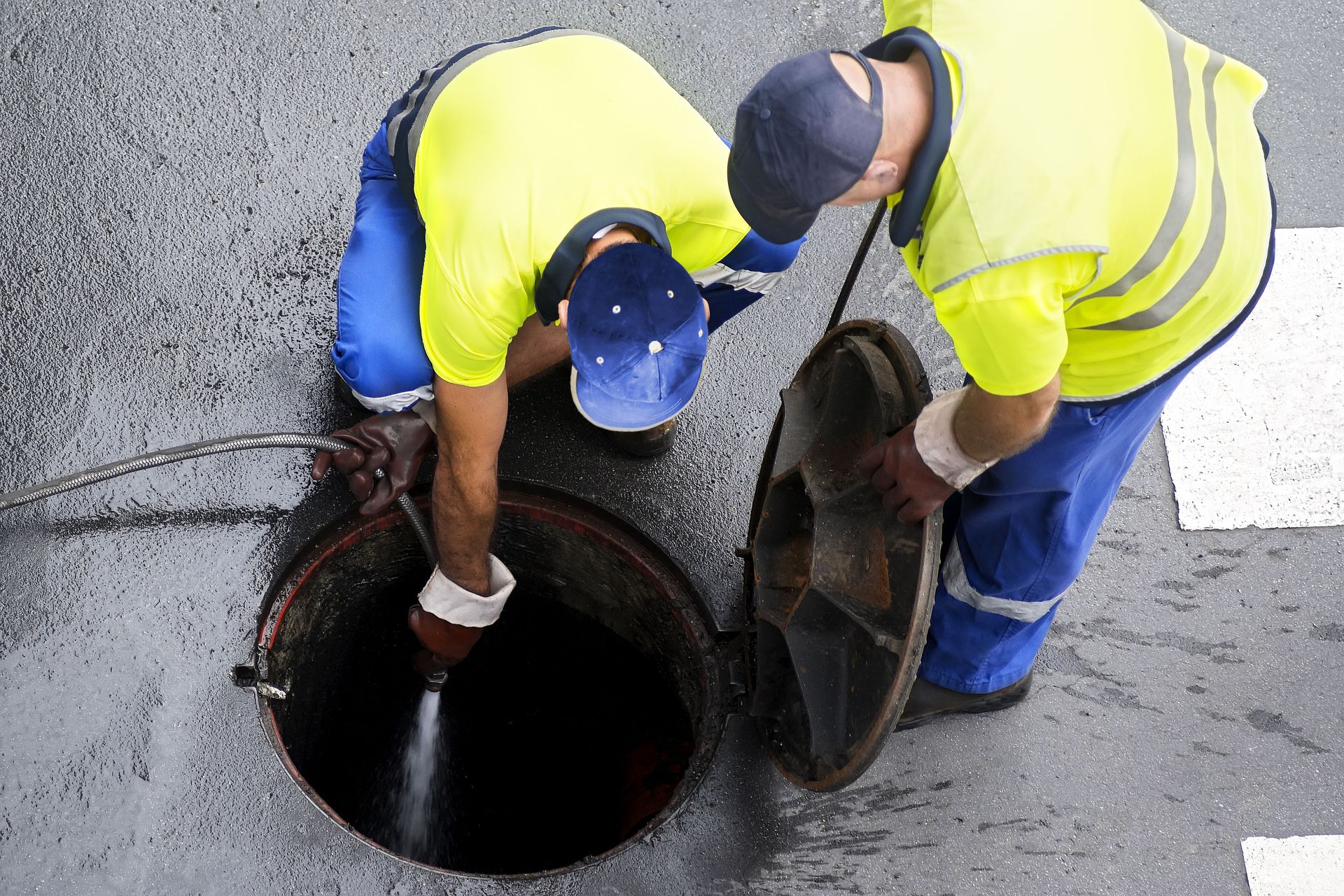
Modern sewer line repairs rely heavily on technology to improve efficiency and effectiveness. Trenchless technology is commonly used, where specialized equipment repairs pipes from the inside without excavation. Robotics and high-resolution cameras support accurate diagnostics and targeted repairs. Besides, hydro jetting, a method using high-pressure water streams, is often employed to clear blockages before repair. These advanced tools help streamline the repair process, reducing time and labor costs.
Benefits of Sewer Line Repair
There are numerous benefits to opting for sewer line repair, particularly when the damage is not widespread. First, repairs are generally more cost-effective than full replacements, preserving home equity by minimizing expenses. Timely sewer line repairs can also prevent further complications that might necessitate more extensive work. Additionally, the less invasive nature of repairs means less disruption to daily life and less impact on the surrounding environment. Repairs allow for more sustainable management of old infrastructure, extending its useful life.
Limitations of Repairing Sewer Lines
While repairs offer quick fixes, they have limitations that can impede their long-term viability. A major limitation is that sewer line repairs are often not suitable for severely damaged or extensively corroded pipes, which might require comprehensive replacement. Repairs can address only specific sections, meaning problems may recur if the systemic issues are not resolved. Moreover, frequent repairs over time could cumulatively cost as much as a one-time replacement. Consequently, careful assessment of the extent and nature of pipe damage is essential before deciding on repairs.
Cost Analysis of Repairs vs. Replacement
Conducting a thorough cost analysis is critical when debating between repairs and replacements. Typically, sewer line repairs are cheaper in the short term, requiring less labor and fewer materials. However, in cases where frequent repairs are anticipated, costs can add up significantly over time. Replacement may require a larger initial investment but provides lasting solutions that mitigate future expenditures on the same issue. Weighing immediate cost savings against long-term financial prudence helps in making sound decisions tailored to individual and community needs.
Sewer Line Replacement: An Overview
When Replacement Is Necessary
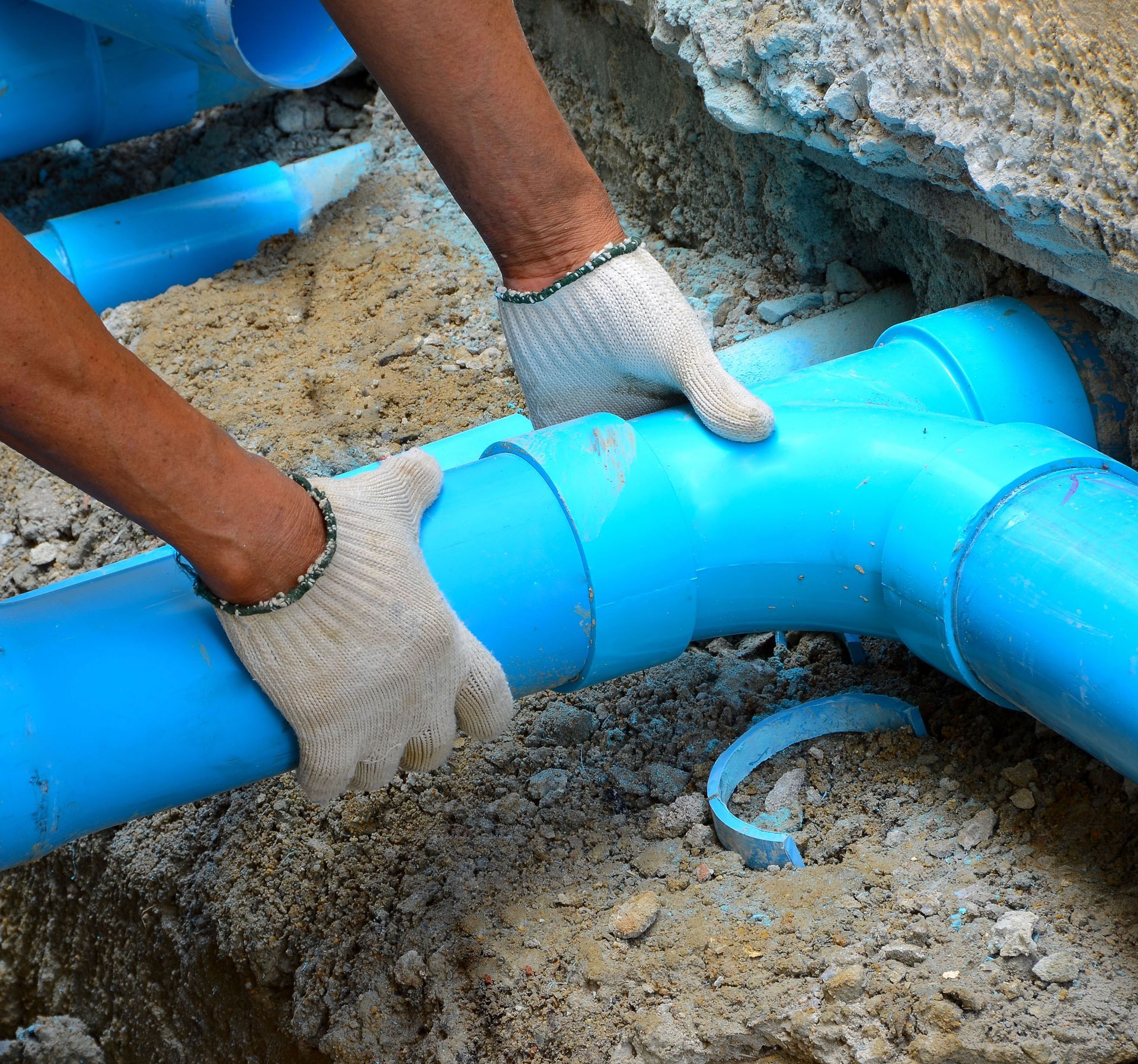
Sewer line replacement becomes necessary when damage is too severe or widespread to be addressed by repairs. Structural collapses are a primary indicator that replacement should be undertaken. In situations where pipes are made of outdated materials like clay or cast iron, full replacement can offer more durable solutions. Replacing sewer lines also becomes viable when planning significant renovations or property upgrades. By scheduling replacements in such cases, homeowners can minimize future disruptions to their property.
Traditional vs. Trenchless Replacement Methods
Traditional methods of sewer line replacement involve extensive excavation, which can be costly and time-consuming. Conversely, trenchless methods offer a less invasive option by requiring only small access points. Pipe bursting and pipe lining are the key trenchless techniques that not only save time but also reduce landscape and structural disruptions. These methods are gaining popularity due to their environmental benefits and cost-effectiveness. Choosing between methods often hinges on the specific conditions and constraints of the site.
Evaluating the Costs of Sewer Line Replacement
Evaluating replacement costs involves considering both direct and indirect expenses. Direct costs include labor, materials, and equipment, which vary with the length and depth of the sewer line. Indirect costs are often more challenging to quantify, including potential property value impacts, disruption to daily activities, and landscape restoration. Advances in trenchless technologies can mitigate some indirect costs, making replacements more palatable. Comprehensive cost analysis should include all these factors to guide informed decision-making.
Evaluating sewer line repair versus replacement requires a comprehensive analysis of diverse criteria and future considerations. Repair offers quick, cost-effective resolutions for localized issues, while replacement ensures long-lasting effectiveness for broader failures. With the integration of technology and methodical planning, urban infrastructure can advance robustly in the face of evolving challenges. Decision-makers should weigh immediate needs against long-term sustainability, keeping community health and environmental stewardship at the forefront. By leveraging lessons from past projects and embracing upcoming innovations, a balanced and anticipative approach to sewer line management can be achieved. Call Helmling Excavating today to learn more.