April 3, 2026
Demolition projects involve inherent dangers, including structural collapses, hazardous materials exposure, utility strikes, falling debris, and equipment accidents that can cause serious injuries or fatalities when proper safety protocols aren't followed. Many property owners and contractors underestimate the risks and fail to implement adequate safety measures before beginning work that tears down buildings or structures. Understanding critical safety considerations before work starts protects workers, neighboring properties, and the public from preventable accidents that result from inadequate planning or failure to identify and address hazards. The difference between safe projects and tragic accidents often comes down to whether comprehensive safety planning occurred before the first structural element was disturbed. Professional work requires systematic hazard identification, proper safety equipment, trained personnel, and careful planning that addresses the unique risks each project presents based on structure type, location, and materials involved.
1. Conducting Comprehensive Structural Assessments
According to Market.Us, the US Hydro Excavation Truck Market size is expected to be worth around USD 986.3 Million by 2034. Before any demolition begins, qualified engineers should assess structural integrity to identify weak points, determine safe sequences, and recognize collapse hazards that could endanger workers or adjacent properties. These assessments reveal how buildings are constructed, what supports critical loads, and which elements can be removed safely without triggering uncontrolled failures. Understanding structural conditions prevents the catastrophic collapses that occur when workers remove load-bearing elements without recognizing their critical roles in maintaining stability. Professional structural evaluation provides the foundation for safe planning that protects everyone involved while ensuring work proceeds systematically rather than creating dangerous situations through uninformed decisions about removal sequences.
2. Identifying and Locating All Utilities
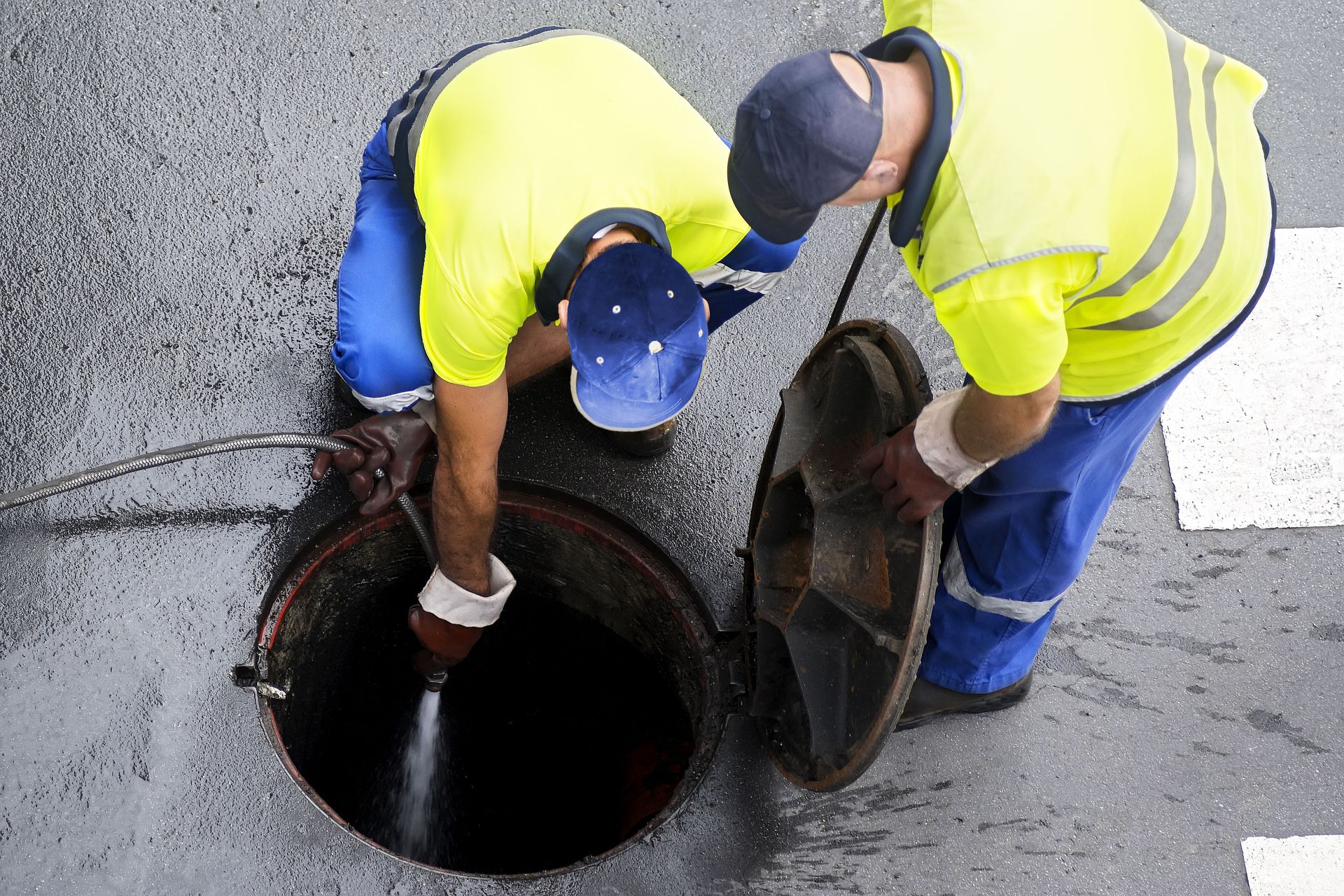
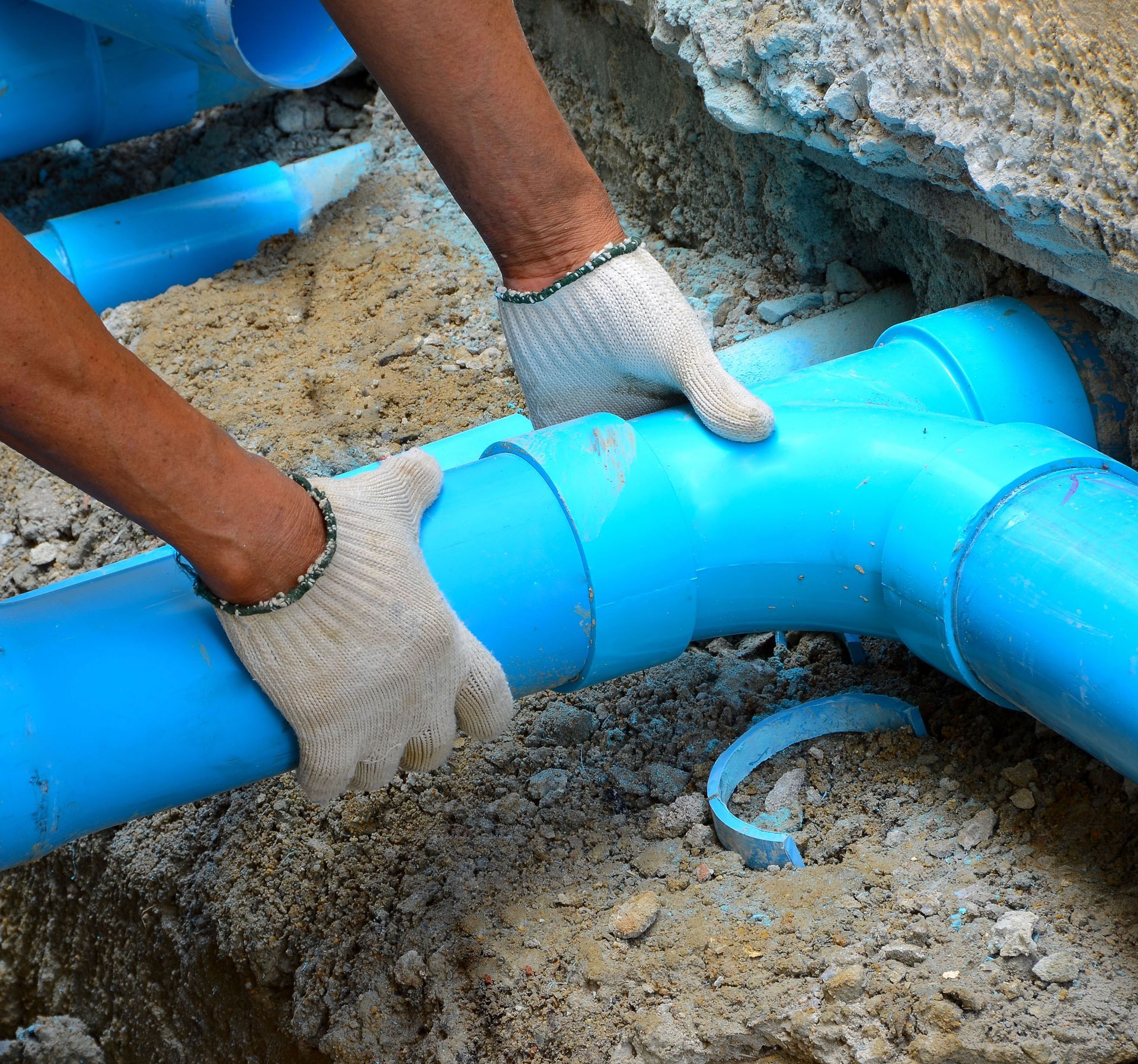
Underground and overhead utilities, including gas lines, electrical service, water mains, sewer lines, and telecommunications cables, pose serious dangers during excavation and structural removal if their locations aren't known and properly addressed. Striking gas lines can cause explosions, severed electrical lines can electrocute workers, and damaged water or sewer infrastructure creates environmental hazards and expensive repairs beyond just the immediate safety threats. State laws require calling utility location services before excavation, but planning should go further by obtaining detailed utility maps and physically verifying locations before work begins. Proper utility identification and disconnection prevent the accidents, service disruptions, and liability that utility strikes create when workers proceed without adequate knowledge of what infrastructure exists beneath and around structures being removed.
3. Testing for Hazardous Materials
Many older buildings contain asbestos, lead paint, PCBs, and other hazardous materials requiring special handling and disposal procedures that standard work cannot safely address. Professional testing identifies these materials before demolition so appropriate abatement can occur, protecting workers and the environment from dangerous exposures that cause serious health problems. Regulations strictly govern hazardous material handling, and violations result in substantial fines, work stoppages, and potential criminal liability for willful endangerment of workers or the public. Investing in proper hazardous material assessment and abatement costs far less than the legal problems, health issues, and remediation expenses that result from disturbing hazardous materials without proper protocols during uncontrolled activities.
4. Establishing Proper Exclusion Zones
Safe work requires establishing and enforcing exclusion zones, preventing unauthorized access by workers not directly involved, neighboring property occupants, and curious onlookers attracted to dramatic activities. These protected areas account for potential debris trajectory, dust dispersion, and collapse zones where structural failures could extend beyond the immediate footprint of buildings being removed. Physical barriers, including fencing, barricades, and signage, clearly mark restricted areas while security personnel or supervision ensures compliance throughout projects. Exclusion zones protect not just those inside them but also the general public who might otherwise wander into dangerous areas without understanding the serious risks that work creates, even at distances that seem safely removed from actual activities.
5. Using Appropriate Personal Protective Equipment
Workers must wear proper protective equipment, including hard hats, safety glasses, respiratory protection, hearing protection, steel-toed boots, and high-visibility clothing appropriate for the specific hazards their work presents. Different phases and activities require varying protection levels, and supervision must ensure workers use equipment correctly, rather than just having it available but not properly employed. Respiratory protection proves particularly critical when dust, mold, or residual hazardous materials create airborne contaminants that inhalation could introduce into workers' bodies with serious long-term health consequences. Proper personal protective equipment represents the last line of defense when other safety measures fail, making it essential that all workers consistently use appropriate gear selected for the specific hazards they face during their assigned tasks.
6. Implementing Dust and Debris Control Measures
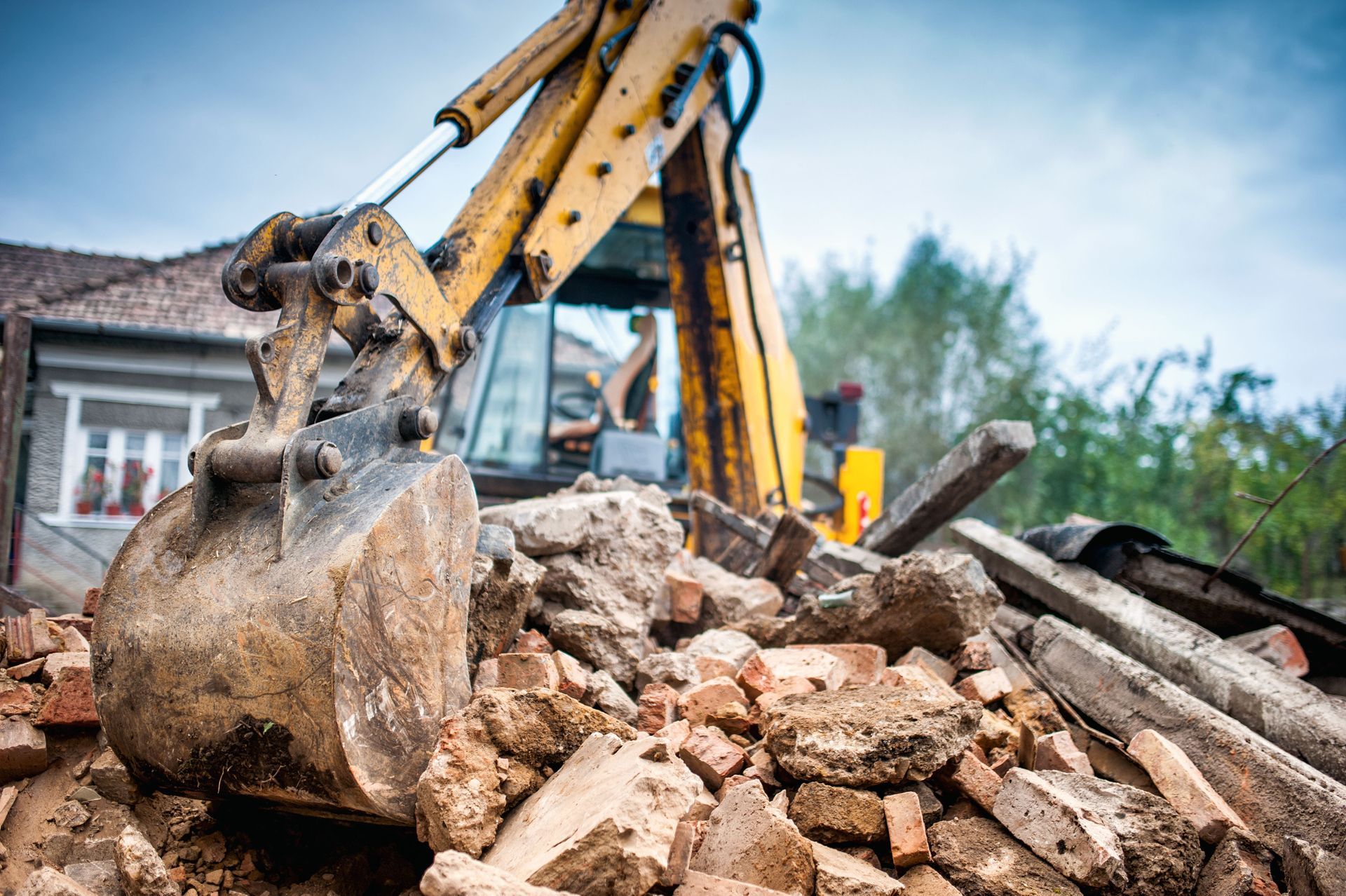
Work generates enormous dust quantities that create visibility problems, respiratory hazards, and environmental concerns when airborne particles spread beyond sites to neighboring properties and public areas. Water spraying, barriers, and controlled methods minimize dust generation while protecting workers and the public from the health risks that prolonged dust exposure creates. Debris removal and disposal must occur systematically throughout projects rather than allowing dangerous accumulations that create trip hazards, complicate safe movement, or overload structures not designed to carry debris weight. Proper dust and debris management from demolition activities maintains safe working conditions while also demonstrating consideration for neighbors affected by operations occurring near their properties and businesses.
7. Planning Safe Equipment Operation
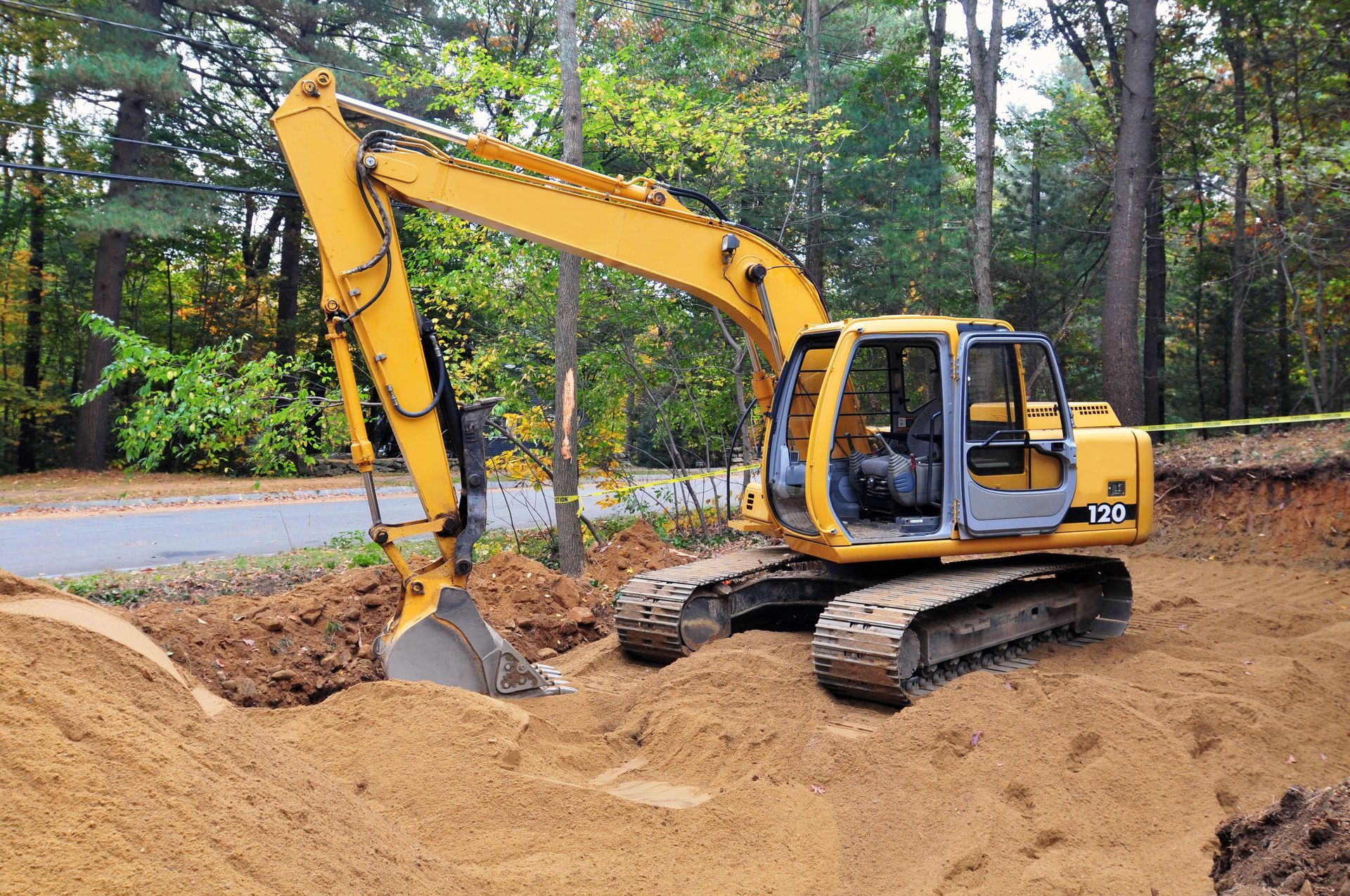
Heavy equipment, including excavators, bulldozers, cranes, and specialized machinery, requires trained operators working within equipment limitations and following manufacturer safety protocols. Unstable ground, overhead hazards, nearby structures, and worker proximity all affect safe equipment operation, requiring constant awareness and communication between operators and ground personnel. Equipment inspections before each shift identify mechanical problems that could cause failures resulting in accidents, injuries, or property damage during operations. Proper equipment selection, operation, and maintenance prevent the accidents that occur when machinery is misused, pushed beyond capacity, or operated by unqualified personnel lacking training in the specialized techniques that safe work requires.
8. Developing Emergency Response Plans
Despite careful planning, emergencies, including injuries, fires, collapses, or hazardous material releases, can occur, requiring predetermined response protocols that minimize harm when incidents happen. Emergency plans specify evacuation routes, assembly points, emergency contact information, and specific procedures for various incident types that could develop during projects. Regular drills ensure workers know what to do during emergencies rather than panicking or making poor decisions during actual crises when stress and confusion impair judgment. Coordinating with local emergency services before demolition work begins ensures responders understand site layouts, hazards, and access routes if they must respond to incidents requiring professional emergency intervention beyond the capabilities of on-site personnel and resources.
Safe demolition requires comprehensive planning, proper equipment, trained personnel, and systematic hazard management that protects workers, neighboring properties, and the public from the serious risks that structural dismantling inherently creates. Understanding these critical safety considerations helps property owners and contractors appreciate why professional services cost what they do and why cutting corners on safety proves tragically expensive when accidents occur. The investment in proper safety measures prevents injuries, legal problems, and project delays that inadequate safety planning creates when hazards aren't properly identified and addressed before work begins. Whether you need brush clearing, land clearing, lot clearing, property line clearing, stump removal, tree removal, backfilling services, basement digging, demolition services, driveway excavation, excavation for pools, foundation excavation, home site preparation, pond construction, swimming pool excavation, yard leveling, driveway grading, grading and drainage, culvert installation, sewer line installation, utility trenching, water line installation, or basement waterproofing, Helmling Excavating is fully licensed, bonded and insured, offers 24/7 emergency services, and provides sewer and water warranties. For more information, contact us today!